

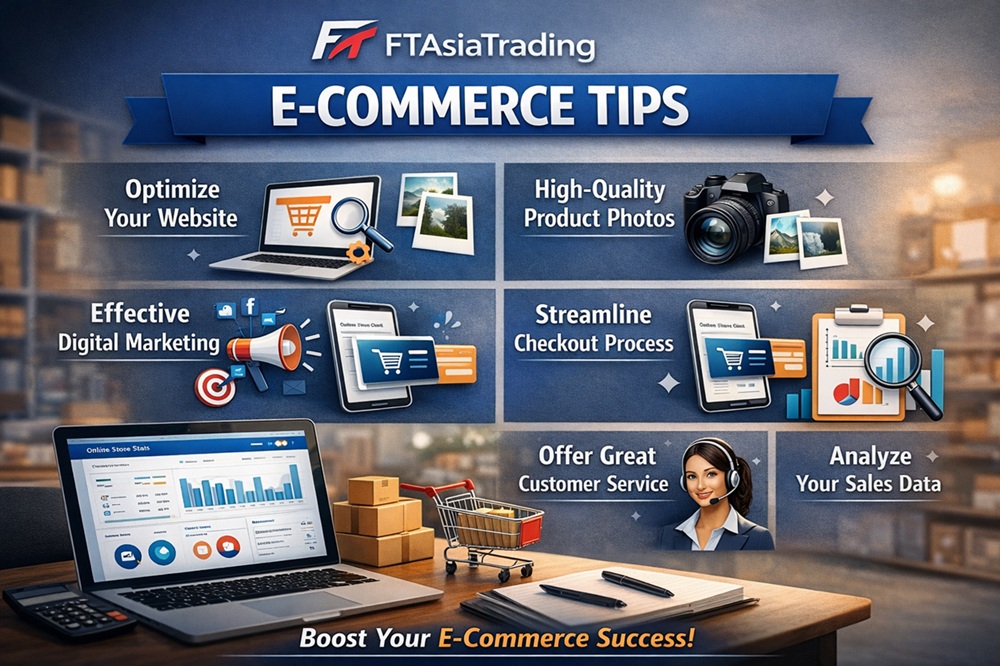
The Asian ecommerce landscape is evolving rapidly, with FTAsiaTrading emerging as a significant platform connecting businesses across the region. Whether you’re a seasoned online seller or just starting your ecommerce journey, understanding the nuances of trading in Asian markets can dramatically impact your success. This comprehensive guide provides actionable FTAsiaTrading ecommerce tips to help you navigate this dynamic marketplace, optimize your operations, and maximize profitability.
In this article, we’ll explore proven strategies for product selection, market analysis, customer engagement, logistics optimization, and regulatory compliance specific to FTAsiaTrading and broader Asian ecommerce markets.
Understanding FTAsiaTrading and the Asian Ecommerce Ecosystem
Before diving into specific tactics, it’s essential to understand what makes FTAsiaTrading unique in the global ecommerce landscape. FTAsiaTrading serves as a bridge between suppliers, manufacturers, and retailers across Asian markets, offering businesses access to diverse product categories and cross-border trading opportunities.
Key Characteristics of Asian Ecommerce Markets
- Mobile-first shopping: Over 70% of ecommerce transactions in Asia occur on mobile devices, making mobile optimization critical
- Social commerce integration: Platforms like WeChat, LINE, and Instagram drive significant sales through social selling
- Payment diversity: Multiple payment methods including digital wallets, bank transfers, and cash-on-delivery remain prevalent
- Rapid delivery expectations: Same-day or next-day delivery has become the standard in major urban centers
- Cross-border opportunities: Growing middle class and increasing trust in international brands create expansion potential
Product Selection and Market Research Strategies
Success in FTAsiaTrading begins with choosing the right products for your target markets. Market research is not optional—it’s the foundation of your ecommerce strategy.
Identifying Profitable Product Niches
- Analyze trending categories: Use tools like Google Trends, Alibaba’s market insights, and platform-specific analytics to identify growing demand
- Study local preferences: Cultural nuances significantly impact product success; what works in Japan may not resonate in Indonesia
- Evaluate competition levels: Balance between demand and competition; overly saturated markets reduce profit margins
- Consider seasonal patterns: Asian markets have unique seasonal shopping behaviors tied to festivals like Lunar New Year, Diwali, and Golden Week
- Assess import regulations: Different countries have varying restrictions; ensure your products comply with local regulations
Top Performing Product Categories in Asian Markets (2026)
| Product Category | Growth Rate | Key Markets |
| Beauty & Personal Care | 23% annually | South Korea, Japan, China |
| Electronics & Gadgets | 18% annually | China, Singapore, India |
| Fashion & Apparel | 21% annually | Thailand, Indonesia, Vietnam |
| Health & Wellness | 27% annually | All major markets |
| Home & Living | 16% annually | Malaysia, Philippines, India |
Optimizing Your FTAsiaTrading Store and Listings

Your online presence directly impacts conversion rates. Optimization isn’t just about aesthetics—it’s about creating a seamless, trustworthy shopping experience that converts visitors into customers.
Product Listing Optimization
- Write compelling titles: Include relevant keywords, product benefits, and specifications in the first 60 characters
- Create detailed descriptions: Provide comprehensive information about features, dimensions, materials, and usage instructions
- Use high-quality images: Minimum 1000×1000 pixels, multiple angles, lifestyle shots, and infographics showing product benefits
- Implement video content: Product demonstrations increase conversion rates by 80% on average
- Optimize for local languages: Professional translations build trust; avoid machine-only translations for key markets
- Highlight certifications: Display safety certifications, quality standards, and authenticity guarantees prominently
Pricing Strategies for Competitive Advantage
Pricing in Asian markets requires strategic thinking. Consider these approaches:
- Dynamic pricing: Adjust prices based on demand, competition, and inventory levels using automated tools
- Psychological pricing: Use 99-ending prices and tiered pricing structures to increase perceived value
- Bundle offers: Create product bundles that increase average order value while providing customer savings
- Regional price adjustments: Account for purchasing power differences across markets; what sells in Singapore may need adjustment for Vietnam
- Promotional timing: Align discounts with local shopping festivals, holidays, and payday cycles
Mastering Logistics and Fulfillment
Efficient logistics separate successful ecommerce businesses from struggling ones. In Asian markets, where delivery speed expectations are high, your logistics strategy can make or break customer satisfaction.
Choosing the Right Fulfillment Model
- Self-fulfillment: Best for low-volume sellers with limited SKUs who can maintain quality control
- Third-party logistics (3PL): Ideal for scaling operations across multiple countries without infrastructure investment
- Hybrid approach: Combine self-fulfillment for key markets with 3PL for expansion territories
- Dropshipping: Lower risk entry strategy but requires reliable suppliers and longer delivery times
Shipping Best Practices
- Offer multiple shipping options: Balance between economy and express delivery to serve different customer segments
- Provide accurate tracking: Real-time tracking reduces customer anxiety and support inquiries by 40%
- Set realistic delivery timelines: Under-promise and over-deliver to exceed customer expectations
- Optimize packaging: Balance protection with minimal weight to reduce shipping costs
- Partner with reliable carriers: Research carrier performance, coverage areas, and customer reviews before committing
- Implement return logistics: Clear return policies and easy processes build customer confidence
Payment Processing and Financial Management
Payment preferences vary dramatically across Asian markets. Offering the right payment methods can increase your conversion rate by 30% or more.
Essential Payment Methods by Region
- China: Alipay, WeChat Pay, UnionPay dominate the market
- Southeast Asia: GrabPay, Touch ‘n Go, GCash, and cash-on-delivery remain popular
- India: UPI, Paytm, PhonePe, and digital wallets see rapid adoption
- Japan: Credit cards, convenience store payments, and carrier billing are standard
- South Korea: Card payments, Naver Pay, and Kakao Pay dominate
Currency and Pricing Considerations
- Display local currency: Customers prefer seeing prices in their local currency
- Account for currency fluctuations: Build in margins to protect against exchange rate volatility
- Transparent pricing: Include all fees upfront; hidden charges cause cart abandonment
- Tax compliance: Understand VAT, GST, and customs duties for each target market
Customer Service Excellence
Outstanding customer service differentiates successful FTAsiaTrading businesses. Asian consumers have high service expectations and value responsive, helpful support.
Building a Responsive Support System
- Multi-channel support: Offer email, live chat, messaging apps (WhatsApp, LINE, WeChat), and phone support
- Local language support: Provide customer service in native languages; this dramatically improves satisfaction
- Extended support hours: Consider time zone differences and provide support during local business hours
- Implement chatbots: AI-powered chatbots handle routine queries 24/7, freeing human agents for complex issues
- Create comprehensive FAQs: Anticipate common questions about products, shipping, returns, and payments
- Proactive communication: Send order confirmations, shipping updates, and delivery notifications automatically
Marketing and Customer Acquisition Strategies
Acquiring customers efficiently requires understanding where your target audience spends time online and what messages resonate with them.
Digital Marketing Channels for Asian Markets
- Social media marketing: Leverage platform-specific strategies for Facebook, Instagram, TikTok, WeChat, and LINE
- Influencer partnerships: Micro-influencers often deliver better ROI than celebrity endorsements in Asian markets
- Search engine optimization: Optimize for Google, Baidu, Naver, and Yahoo Japan depending on your target market
- Content marketing: Create valuable content in local languages that addresses customer pain points and questions
- Email marketing: Build segmented lists and personalize communications based on behavior and preferences
- Paid advertising: Use Google Ads, Facebook Ads, and local platforms with precise targeting and A/B testing
Leveraging Shopping Festivals and Peak Seasons
Asian ecommerce calendars are packed with shopping festivals that drive massive sales volumes:
- Singles Day (11.11): The world’s largest shopping event, primarily in China
- Lunar New Year: Major shopping period across East and Southeast Asia
- Golden Week: Key sales period in Japan and China
- 18 and 12.12: Mid-year and year-end mega sales events
- Diwali: Major shopping festival in India
- Songkran and Ramadan: Regional festivals with significant shopping activity
Regulatory Compliance and Legal Considerations
Navigating regulatory requirements is crucial for sustainable operations. Each Asian market has specific rules governing ecommerce operations.
Key Compliance Areas
- Business registration: Obtain necessary licenses and permits for each market you operate in
- Product certifications: Ensure products meet local safety standards, labeling requirements, and testing protocols
- Import/export regulations: Understand customs procedures, documentation requirements, and restricted items lists
- Data privacy: Comply with regulations like GDPR equivalents, China’s PIPL, and India’s data protection laws
- Consumer protection: Provide clear return policies, warranty information, and honest product representations
- Tax obligations: Register for VAT/GST where required and maintain proper accounting records
Technology and Tools for Efficiency
Leveraging the right technology stack streamlines operations and scales your business efficiently.
Essential Ecommerce Tools
- Inventory management systems: Track stock levels across warehouses, automate reordering, and prevent stockouts
- Order management platforms: Centralize orders from multiple sales channels for efficient processing
- Analytics tools: Monitor traffic, conversion rates, customer behavior, and sales performance
- Customer relationship management (CRM): Manage customer data, segment audiences, and personalize marketing
- Automation software: Automate repetitive tasks like email campaigns, inventory updates, and order processing
- Translation management: Maintain consistent multilingual content across all customer touchpoints
Building Customer Loyalty and Retention
Acquiring new customers costs 5-25 times more than retaining existing ones. Building loyalty should be a core focus of your FTAsiaTrading strategy.
Loyalty Program Strategies
- Points-based rewards: Give customers points for purchases that can be redeemed for discounts or products
- Tiered membership: Create VIP tiers with increasing benefits to encourage higher spending
- Referral incentives: Reward customers who bring in new buyers with discounts or free products
- Birthday rewards: Send special offers on customer birthdays to strengthen emotional connection
- Early access: Give loyal customers first access to new products or special sales
- Personalized experiences: Use purchase history to recommend relevant products and customize communications
Analytics and Performance Optimization
Data-driven decision making separates growing businesses from stagnant ones. Track the right metrics and act on insights.
Key Performance Indicators (KPIs) to Monitor
- Conversion rate: Percentage of visitors who complete purchases; benchmark is 2-3% for ecommerce
- Average order value (AOV): Total revenue divided by number of orders; increase through bundling and upselling
- Customer acquisition cost (CAC): Total marketing spend divided by new customers acquired
- Customer lifetime value (CLV): Total revenue expected from a customer over their relationship with your business
- Cart abandonment rate: Track and address why customers leave without completing purchases
- Return rate: Monitor product quality issues and improve descriptions to reduce returns
- Inventory turnover: Measure how quickly products sell to optimize stock levels
Conclusion: Your FTAsiaTrading Success Roadmap
Success in FTAsiaTrading ecommerce requires a holistic approach combining market understanding, operational excellence, customer focus, and continuous optimization. The Asian ecommerce landscape offers tremendous opportunities for businesses willing to invest in understanding local markets, adapting to cultural preferences, and delivering exceptional customer experiences.
Start by thoroughly researching your target markets and selecting products with proven demand. Build a strong foundation with optimized listings, competitive pricing, and reliable logistics. Invest in customer service excellence and leverage appropriate marketing channels to acquire customers efficiently. Always remain compliant with local regulations and use technology to scale operations smoothly.
Remember that ecommerce success is iterative. Continuously analyze your performance data, test new strategies, and refine your approach based on results. The businesses that thrive in Asian markets are those that remain agile, customer-centric, and committed to delivering value at every touchpoint.
By implementing these FTAsiaTrading ecommerce tips systematically, you’ll position your business for sustainable growth in one of the world’s most dynamic and profitable ecommerce regions.
