

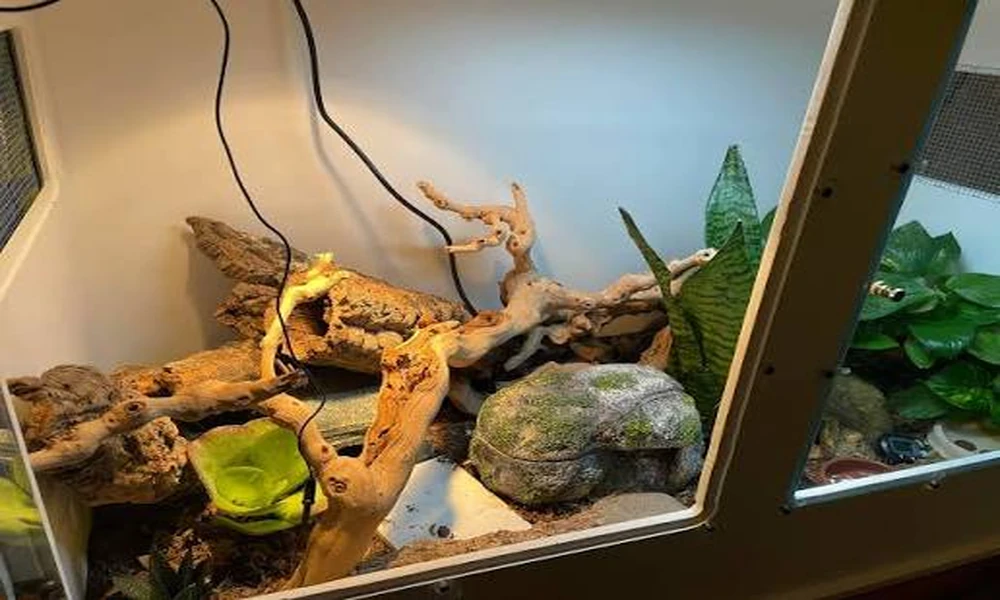
Watch a tank that’s only got isopods in it for long enough and you’ll notice something. The surface stays tidy. The deeper layers don’t.
That’s not a failing on the isopods’ part. Grazing near the top is simply what they do, mostly where things dry out fast enough to break down easily. Whatever sinks further, into the damp, packed layers near the bottom, tends to just sit there. Nobody’s eating it.
This is roughly where millipedes come in, and it’s worth being upfront about it. They’re not a faster cleanup crew. Anyone shopping millipedes for sale expecting a quicker turnaround on waste will be disappointed. What they actually offer is depth, not speed.
Built for a different layer of the mess
Millipedes are detritivores in the truest sense, and most people browsing millipedes for sale are really looking for something that targets decaying wood and buried leaf litter rather than the surface debris isopods handle. A few things follow from that. Consistently damp substrate matters more to them than the humidity gradient many isopod species do fine with. A tank that dries on one side and stays wet on the other suits isopods nicely. Millipedes just want the wet part, reliably.
They’re slow too. Painfully slow, if you’re used to watching an isopod colony explode in numbers within weeks. A millipede colony builds over months instead, and no amount of good feeding speeds that up much.
Copper is the one thing to actually watch for. Fungicides, certain water sources, anything that’s touched copper can be lethal, which quietly rules out some substrate and decor combinations that are otherwise fine for other invertebrates.
Where it goes wrong
Dropping millipedes into a setup built for something else rarely ends well. Fast-drying substrate. A shallow enclosure with nothing to burrow into. Decor that’s brushed against anything copper-based. Any one of those shortens a colony’s life fast, regardless of how hardy the species is supposed to be.
What tends to work:
- Deep substrate, kept damp all the way through, not just misted on top
- Real leaf litter and decaying wood, not dry decoration standing in for it
- Patience, since growth here doesn’t reward anyone checking in after a fortnight
So, worth it or not
Depends what the tank actually needs. If the surface is the only part that ever gets messy, isopods alone might cover it. If there’s real depth, buried waste, a bioload heavier than a shallow setup can manage on its own, that’s where millipedes start earning their keep.
They’re not a shortcut. They’re a different tool for a different part of the job. Once that’s clear, whether they belong in a given tank stops being a hard question.
